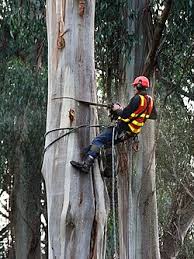
Environmental education helps people understand nature, recognize environmental problems, and make responsible decisions about natural resources. Trees are excellent examples for teaching people about the importance of protecting the environment. They demonstrate how living organisms depend on one another and how natural systems support life. By learning about trees, students and communities can develop greater environmental awareness and become active participants in conservation.
1. Teaching the Importance of Nature
Trees help students understand why natural resources are important. They provide oxygen, absorb carbon dioxide, support wildlife, and protect soil. Learning about these functions helps young people recognize that human survival depends on healthy ecosystems.
2. Understanding Photosynthesis
Trees provide a practical way to study photosynthesis, the process through which green plants use sunlight, water, and carbon dioxide to produce food. During this process, oxygen is released into the atmosphere. Observing trees helps students connect scientific concepts with everyday life.
3. Encouraging Outdoor Learning
Schools can organize educational visits to parks, gardens, and forests. Students can observe different tree species, examine leaves, study root systems, and learn about habitats. Outdoor activities make environmental lessons more interesting and help students develop a stronger connection with nature.
4. Developing a Sense of Responsibility
Learning about tree conservation encourages people to take responsibility for their surroundings. Students can understand the consequences of deforestation, pollution, and careless use of natural resources. This knowledge can inspire them to protect trees and adopt environmentally friendly habits.
5. Supporting Scientific Research
Trees offer opportunities for practical research and observation. Students can measure tree growth, compare leaf shapes, study seasonal changes, and investigate the conditions required for healthy development. These activities develop scientific thinking, curiosity, and problem-solving skills.
6. Encouraging School Tree-Planting Programs
Schools can organize tree-planting activities to teach students about environmental responsibility. Students can help select appropriate native species, prepare planting areas, water seedlings, and monitor their growth. These activities show that environmental protection requires continuous care rather than a single planting event.
7. Building Community Awareness
Environmental education becomes more effective when schools work with families and local organizations. Students can share what they learn through presentations, posters, community campaigns, and neighborhood activities. Such efforts encourage people to protect existing trees and support local conservation projects.
8. Preparing Future Environmental Leaders
Young people who understand environmental issues may become future scientists, teachers, farmers, conservationists, and policymakers. Teaching them about the value of trees helps develop informed citizens who can make responsible decisions about forests, climate, and biodiversity.
Conclusion
Trees are not only essential for maintaining environmental balance but also valuable tools for education. They help people understand photosynthesis, biodiversity, soil conservation, and the importance of natural resources. Schools and communities can use tree-planting projects and outdoor learning activities to develop environmental awareness. By educating young generations and encouraging practical participation, we can create a society that values nature and works toward a greener and more sustainable future.
Leave a Reply