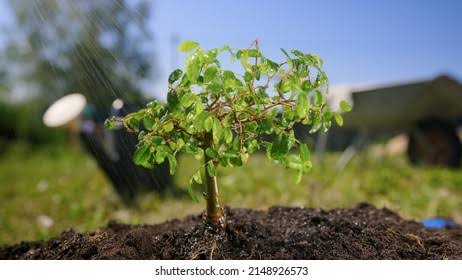
Trees experience different challenges throughout the year. Changes in temperature, rainfall, sunlight, and wind can influence their growth and overall condition. A tree that looks healthy during spring may experience heat stress in summer or develop damaged branches after a winter storm. Understanding these seasonal changes helps property owners provide appropriate care and maintain attractive outdoor spaces.
Spring is an important period for observing new growth. As temperatures rise, many trees begin producing fresh leaves, flowers, and shoots. This is a useful time to check whether branches have suffered damage during winter. Property owners can look for broken limbs, unusual leaf development, and signs of disease. Removing damaged branches when appropriate can support healthier growth, although pruning requirements vary between tree species.
Soil conditions should also be assessed during spring. Winter weather can affect drainage, compact the ground, and expose roots in certain areas. Adding a suitable layer of organic mulch can help protect the soil and retain moisture as temperatures increase. Before applying fertilizer, it is worth considering whether the tree actually needs additional nutrients. Excessive fertilization may encourage weak or unnecessary growth and does not correct every tree health problem.
Summer maintenance often focuses on moisture management. High temperatures and extended dry periods can place considerable stress on trees, particularly those recently planted or growing in restricted spaces. Watering should be based on soil moisture rather than a fixed daily schedule. Deep watering allows moisture to reach the root zone, while checking drainage helps prevent water from collecting around the roots. Newly planted trees generally require more frequent attention than established specimens.
Summer is also a useful period for monitoring insects and diseases. Warm conditions can encourage certain pests to become more active, and early symptoms may appear on leaves, stems, or branches. Discoloration, holes in foliage, unusual spots, and premature leaf loss should be investigated. Identifying the problem correctly is important because insect damage, fungal infections, and environmental stress may sometimes produce similar symptoms.
Autumn provides an opportunity to prepare trees for colder weather. Fallen leaves can be collected from lawns and pathways, while healthy leaves may be composted where suitable. Property owners can inspect branches for visible damage and check whether trees are interfering with nearby structures. Mulch can help protect the root zone from temperature fluctuations, but it should never be piled directly against the trunk.
Pruning schedules require special consideration during autumn. Some trees can be pruned during this period, while others benefit from pruning at different times of the year. The correct timing depends on species, local climate, flowering habits, and the reason for cutting. Removing large branches without understanding these factors can create unnecessary stress. Professional guidance is useful when a tree has structural problems or requires substantial work.
Winter brings different challenges, including freezing temperatures, ice accumulation, heavy snow, and strong winds. Snow and ice can increase the weight carried by branches, making weak or damaged limbs more likely to break. Property owners should avoid attempting to remove large hanging branches themselves. Trees with major cracks, unstable trunks, or signs of root movement should be assessed by trained professionals.
Winter can also be a useful time for evaluating the overall structure of deciduous trees. Without dense foliage, the branch arrangement becomes easier to see. This may reveal overcrowded growth, damaged limbs, or branches that cross and rub against each other. However, the best pruning period still depends on the tree species and its condition. A seasonal inspection should lead to an appropriate maintenance decision rather than automatic cutting.
A successful year-round tree care routine does not need to involve constant intervention. It requires observing changes, responding to weather conditions, protecting roots, and arranging professional help when necessary. By adapting maintenance practices to each season, property owners can support healthier growth and reduce avoidable risks. Consistent attention helps trees remain attractive, stable, and beneficial throughout changing weather conditions.
Leave a Reply