Healthy trees contribute more than visual appeal to a property. They provide natural shade, create privacy, support wildlife, and help make outdoor areas more comfortable. However, trees can gradually lose their strength when their growing conditions are poor or maintenance is neglected. A practical care routine helps identify problems early and gives trees a better opportunity to develop naturally.
One important part of tree maintenance is understanding how environmental conditions affect growth. Soil quality, sunlight, available water, and surrounding vegetation all influence a tree’s health. A species that thrives in an open garden may struggle when planted in a narrow space surrounded by buildings. Before introducing new trees, property owners should consider mature height, canopy width, root development, and the amount of sunlight available throughout the day.
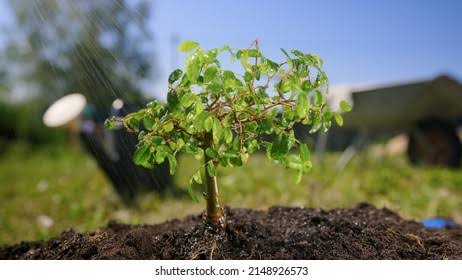
Proper planting creates the foundation for healthy development. The planting area should provide enough room for roots to spread into the surrounding soil. Planting too deeply can cause problems around the trunk, while compacted soil may restrict root expansion. After placing the tree, the surrounding soil should be filled carefully and watered thoroughly. Giving young trees suitable support during their establishment period can make a significant difference to their long-term growth.
Watering practices should change according to the tree’s age and local weather conditions. Newly planted trees usually need more frequent attention because their roots have not yet developed fully. Established trees may tolerate ordinary periods without additional irrigation, but prolonged drought can still affect their condition. Watering slowly and deeply encourages moisture to reach the root zone. Checking soil moisture before watering also helps prevent unnecessary irrigation.
Soil protection is equally valuable. Repeated foot traffic, construction equipment, and vehicle movement can compact the ground around trees. Compaction reduces the movement of air and water through the soil, making it harder for roots to function effectively. A suitable layer of organic mulch can help protect the surface, retain moisture, and reduce weed competition. It should be spread evenly around the tree while leaving space between the mulch and trunk.
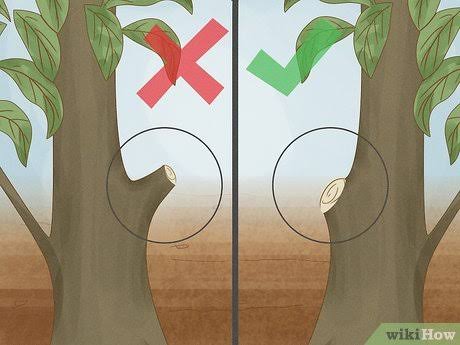
Pruning supports healthy structure when it is performed with a clear purpose. Dead, damaged, and diseased branches may need to be removed to improve safety and reduce the spread of certain problems. Branches that rub against one another or interfere with nearby structures may also require attention. However, excessive pruning can remove too much foliage and weaken the tree. The amount and timing of pruning should be determined by the species and its individual condition.
Another important responsibility is monitoring for insects and diseases. Small changes in foliage, bark, and branch growth may reveal developing problems. Leaves that develop unusual spots, branches that die back unexpectedly, or bark that shows unexplained damage should be examined. Some pests feed on leaves, while others affect the trunk or internal wood. Identifying the cause correctly allows property owners to choose suitable management rather than relying on unnecessary chemical treatments.
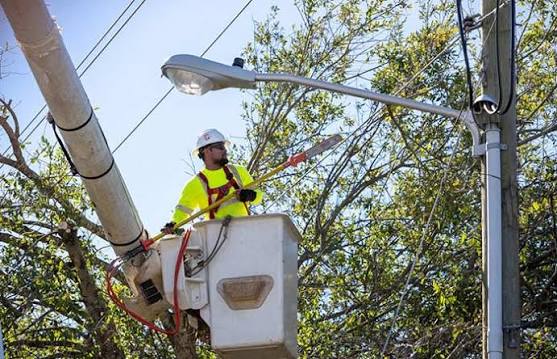
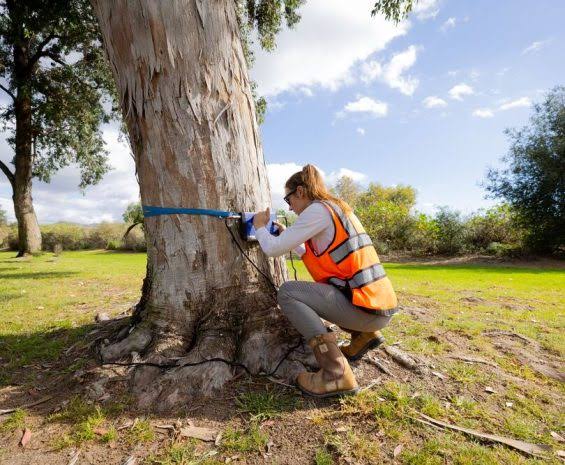
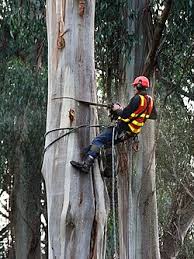
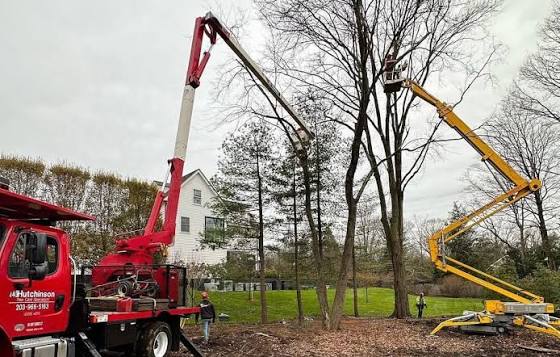
Trees located near buildings and outdoor facilities need additional attention. Branches growing over roofs, walkways, parking spaces, and utility lines can create maintenance and safety concerns. Large trees should be inspected for structural weaknesses, especially after strong winds or heavy storms. Signs such as major trunk cracks, hanging branches, and movement around the root area should be evaluated by qualified professionals.
Professional tree care can be useful when maintenance involves large branches, disease concerns, or potentially unstable trees. Arborists have the experience to assess tree structure and recommend appropriate solutions. Depending on the condition, these may include selective pruning, soil improvements, pest management, or continued monitoring. Removing a tree should be considered carefully because healthy mature trees provide benefits that cannot be replaced immediately.
Better tree health comes from consistent and responsible maintenance. By selecting suitable planting locations, protecting the root zone, managing water carefully, and responding to warning signs, property owners can support stronger trees. These practical steps help preserve the beauty, safety, and environmental value of a landscape for years to come.