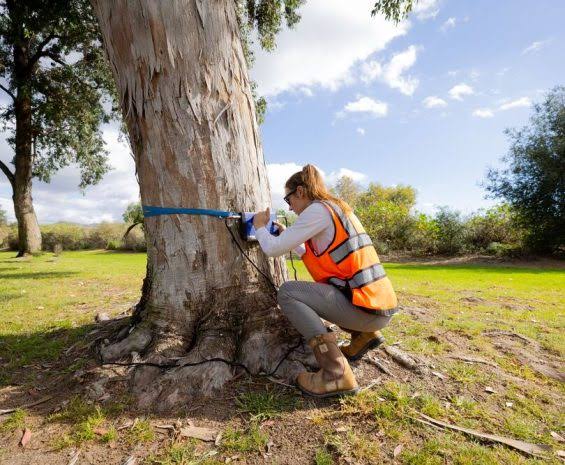
Pollution is one of the major environmental challenges facing the modern world. Smoke from factories, vehicle emissions, plastic waste, and harmful chemicals affect the air, water, and soil. These problems threaten human health, wildlife, and natural ecosystems. Trees are among nature’s most effective resources for reducing certain forms of pollution. By planting and protecting trees, communities can create cleaner, healthier, and more sustainable environments.
1. Trees Reduce Air Pollution
Trees help improve air quality by absorbing carbon dioxide and capturing some airborne particles on their leaves and branches. They also release oxygen through photosynthesis, supporting life on Earth.
In cities, trees planted along roads, near schools, and around residential areas can help reduce people’s exposure to certain pollutants. However, planting must be planned carefully because some tree species are unsuitable for narrow streets or poorly ventilated spaces.
2. Trees Help Control Dust
Dust from roads, construction sites, dry soil, and open land can make the air unhealthy. Trees and other vegetation act as natural barriers that capture some dust particles before they spread.
Rows of trees and shrubs can be particularly useful around farms, highways, and industrial areas. Their leaves and branches slow down moving air and help trap airborne particles.
3. Trees Reduce Noise Pollution
Noise from traffic, machinery, and construction can disturb people and wildlife. Properly designed green belts can help reduce the perception and spread of noise by creating barriers between noisy areas and nearby communities.
A combination of trees, shrubs, and other vegetation can provide a more pleasant environment around schools, hospitals, and residential neighborhoods.
4. Trees Protect Water Quality
Rainwater can carry fertilizers, chemicals, and soil particles into rivers, lakes, and underground water sources. Tree roots help hold soil in place, reducing erosion and the movement of sediment into waterways.
Vegetation near rivers and streams can also absorb some nutrients and pollutants before they reach the water. Protecting these natural green areas is important for maintaining clean water resources.
5. Trees Prevent Soil Pollution
Healthy soil supports agriculture, plants, insects, and microorganisms. Tree roots help maintain soil structure and reduce the movement of contaminated sediment.
Trees can also contribute organic matter through fallen leaves and branches. This material decomposes and supports soil organisms, helping maintain natural soil fertility.
6. Trees Improve Urban Environments
Cities often experience higher temperatures and pollution because of traffic, buildings, and limited green spaces. Trees provide shade and cool their surroundings through the release of water vapor.
Parks, roadside plantations, and green spaces can make urban neighborhoods more comfortable. They also provide places where residents can exercise, relax, and enjoy nature.
7. Communities Must Protect Trees
Planting trees is only the beginning of environmental protection. Young trees need regular watering, suitable soil, protection from animals, and proper maintenance to survive.
Communities should avoid unnecessary tree cutting, reduce waste, recycle materials, and support local environmental programs. Choosing native species can also improve the chances of successful planting.
8. Governments and Schools Can Make a Difference
Governments can develop urban forestry programs, protect existing forests, and establish green belts near roads and industrial areas. Schools can organize environmental awareness activities and encourage students to participate in tree-planting projects.
When educational institutions, local authorities, and residents work together, environmental protection becomes a shared responsibility rather than an individual effort.
Conclusion
Trees play an important role in reducing air pollution, controlling dust, protecting water resources, and improving the quality of urban life. Although trees cannot solve every pollution problem, they are a valuable part of a broader environmental strategy. By planting suitable species, caring for existing trees, and reducing harmful human activities, society can build a cleaner and healthier environment for future generations.
Leave a Reply